How to reduce humidity in your apartment effectively
Reducing humidity in your apartment can lead to a more comfortable living environment and prevent issues like mold growth and musty odors. This guide will walk you through effective methods to lower humidity levels in your space, ensuring you breathe easier and protect your belongings. Remember to prioritize safety; always keep electrical appliances away from water and ensure proper ventilation while working.
Disclosure: As an Amazon Associate I earn from qualifying purchases.
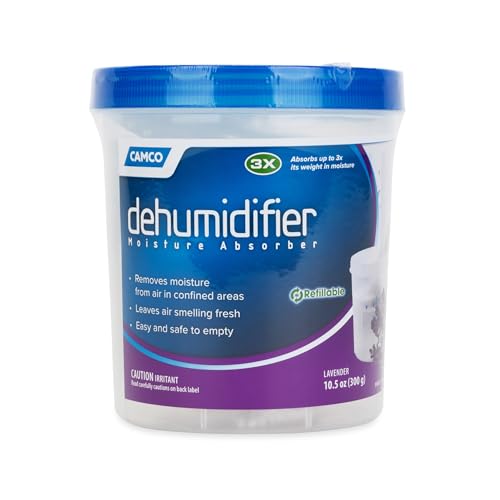
- Removes moisture from the air and traps it, reducing humidity in confined areas
- Lavender-scented fragrance beads leave the air smelling fresh
- Absorbs up to 3x its weight in moisture
What You’ll Need
To effectively reduce humidity in your apartment, gather the following items:
- A dehumidifier, such as the Camco Dehumidifier Moisture Absorber, which absorbs moisture and helps reduce humidity in various areas.
- Fans to improve air circulation.
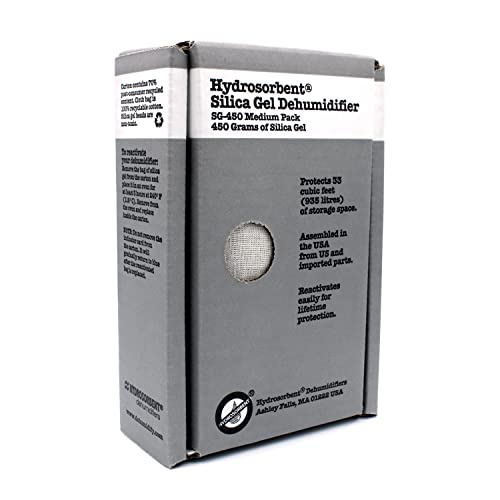
- Moisture absorbers like silica gel or activated charcoal.
- A hygrometer to measure humidity levels.
- Cleaning supplies to maintain surfaces and prevent mold growth.
Step-by-Step
- Assess Humidity Levels: Use a hygrometer to check the current humidity levels in your apartment. Ideally, indoor humidity should be between 30% and 50%.
- Identify Problem Areas: Locate areas with excessive moisture, such as bathrooms, kitchens, and basements. Focus your efforts on these spots.
- Use a Dehumidifier: Place a dehumidifier like the Camco Dehumidifier Moisture Absorber in high-humidity areas. It can absorb up to three times its weight in water, effectively reducing moisture levels.
- Improve Ventilation: Open windows and doors when possible to allow fresh air to circulate. Use exhaust fans in kitchens and bathrooms to remove humid air.
- Seal Leaks: Inspect windows, doors, and pipes for leaks. Seal any gaps or cracks to prevent humid air from entering your apartment.
- Limit Moisture Sources: Avoid drying clothes indoors and take shorter, cooler showers to minimize steam. This helps keep humidity levels in check.
- Use Absorbent Materials: Place moisture absorbers, like silica gel or activated charcoal, in closets and other closed spaces to trap excess moisture.
- Regular Cleaning: Clean surfaces regularly to prevent mold and mildew growth, especially in areas prone to moisture.
Pro Tips for Better Results
- Removes moisture from the air and traps it, reducing humidity in confined areas
- Lavender-scented fragrance beads leave the air smelling fresh
- Absorbs up to 3x its weight in moisture
To enhance your humidity-reducing efforts, consider these tips:
- Run your air conditioning during humid months, as it naturally dehumidifies the air.
- Keep your home well-insulated to prevent warm, humid air from entering.
- Regularly check and replace filters in HVAC systems to ensure efficient operation.
- Consider using lavender-scented dehumidifiers for a pleasant aroma while reducing moisture.
Common Mistakes
Avoid these common pitfalls to ensure effective humidity reduction:
- Neglecting to empty the dehumidifier regularly, which can lead to overflow and reduced effectiveness.
- Failing to monitor humidity levels, resulting in either over-dehumidification or insufficient moisture control.
- Using portable heaters without proper ventilation, which can increase humidity levels.
- Ignoring leaks in windows or pipes, allowing moisture to seep in and counteracting your efforts.
Troubleshooting
If you encounter issues while trying to reduce humidity, consider the following solutions:
- If the dehumidifier is not collecting moisture, ensure it is placed in a humid area and that the reservoir is empty.
- Check the hygrometer for accurate readings; if it’s malfunctioning, replace it.
- If mold persists, consider professional cleaning services to address deeper issues.
- Evaluate your ventilation systems; blocked ducts or filters can hinder airflow.
Maintenance / Next-Time Checklist
To maintain low humidity levels, follow this checklist:
- Regularly empty and clean your dehumidifier.
- Inspect and replace air filters in HVAC systems every few months.
- Check for leaks and seal them promptly.
- Continue to monitor humidity levels with a hygrometer.
- Maintain a regular cleaning schedule to prevent mold and mildew.
Recommended Products & Tools
Using the right products can significantly aid in reducing humidity. The Camco Dehumidifier Moisture Absorber is an excellent choice as it absorbs moisture effectively and can be refilled for continuous use. Additionally, moisture absorbers, such as silica gel, are handy for smaller spaces like closets. Fans can enhance air circulation, making your dehumidification efforts more effective. Finally, a hygrometer is essential for monitoring humidity levels, allowing you to adjust your strategies accordingly.
FAQ
1. How often should I empty my dehumidifier?
It depends on the humidity levels and the size of the unit, but generally, check it every few days.
2. What is the ideal humidity level for an apartment?
The ideal indoor humidity level is between 30% and 50%.
3. Can high humidity affect my health?
Yes, high humidity can lead to mold growth, which can cause respiratory issues and allergies.
4. How can I tell if my apartment is too humid?
Signs include condensation on windows, a musty odor, and visible mold growth.
5. Is it safe to use a dehumidifier while I sleep?
Yes, as long as it’s in good working condition and placed safely away from water sources.

- Removes moisture from the air and traps it, reducing humidity in confined areas
- Lavender-scented fragrance beads leave the air smelling fresh
- Absorbs up to 3x its weight in moisture
Wrap-Up
Reducing humidity in your apartment is crucial for comfort and health. By following the steps outlined in this guide, you can create a drier, more pleasant living environment. Remember to regularly monitor humidity levels and maintain your dehumidifying equipment for the best results. With consistent efforts and the right tools, you can successfully manage humidity in your home.
Recommended Products & Tools
- Removes moisture from the air and traps it, reducing humidity in confined areas
- Lavender-scented fragrance beads leave the air smelling fresh
- Absorbs up to 3x its weight in moisture